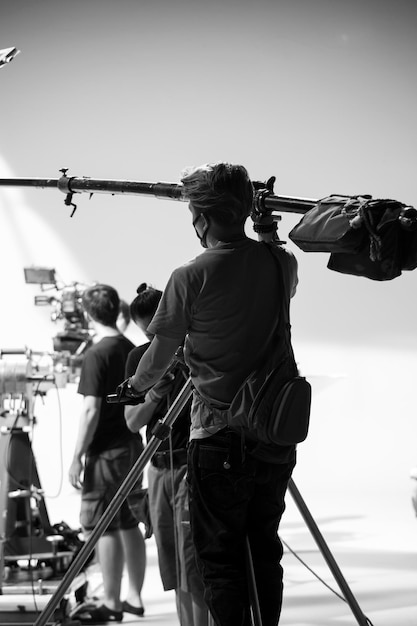
Real Development, Measurable Growth
How our cinematography training translates into practical skills, technical competence, and creative confidence
Return HomeAreas of Development
Technical Proficiency
Participants develop command of camera operation, exposure control, and lens selection through repeated practice. Understanding of technical fundamentals allows for confident on-set decision-making.
Visual Composition
Ability to frame shots with intentionality, considering balance, depth, and visual flow. Participants learn to make compositional choices that support narrative rather than following arbitrary rules.
Lighting Understanding
Development of skills in reading and shaping light quality, direction, and color. Participants gain practical experience in both natural and artificial lighting scenarios.
Movement Technique
Competence in various camera movement styles and their application. Understanding when movement serves the story versus when static framing proves more effective.
Creative Problem-Solving
Ability to adapt to production constraints and find visual solutions within limitations. Participants learn to work effectively with available resources while maintaining creative vision.
Professional Workflow
Understanding of production protocols, equipment management, and collaboration processes. Development of habits that support efficiency and reliability in professional contexts.
Program Outcomes Through November 2025
These metrics reflect participant engagement and progression through our structured curriculum. Individual results depend on practice commitment, prior experience, and personal learning approaches. We track these indicators to refine our teaching methods and course structure.
Methodology Application Examples
Building Technical Foundation
Initial Challenge
Participant struggled with consistent exposure control across varying lighting conditions, resulting in inconsistent footage quality.
Applied Approach
Structured exercises focusing on metering techniques, exposure triangle relationships, and practical adjustments. Emphasis on reading light before setting camera parameters.
Developed Capability
By week 8, participant demonstrated reliable exposure judgment and could adapt to changing light conditions without constant meter reference.
This progression illustrates how repeated practice with feedback develops intuitive technical skills that become foundational for more advanced work.
Developing Lighting Sensitivity
Initial Challenge
Participant's lighting setups appeared technically correct but lacked the mood and atmosphere appropriate for scene requirements.
Applied Approach
Analysis of reference imagery followed by practical recreation exercises. Focus shifted from technical execution to understanding how light quality affects emotional response.
Developed Capability
Participant learned to evaluate and adjust light quality beyond basic three-point setups, creating atmosphere that served narrative intention.
This demonstrates how technical proficiency evolves into artistic tool use when understanding deepens beyond mechanical application.
Developing Visual Voice
Initial Challenge
Participant possessed strong technical skills but lacked consistent visual approach across projects, resulting in work that felt technically competent but generically styled.
Applied Approach
Thesis project development requiring articulation of visual philosophy. Analysis of personal influences and deliberate choice-making about stylistic elements.
Developed Capability
Participant created work with recognizable visual signature, demonstrating intentional aesthetic choices that supported personal creative vision.
This progression shows how technical foundation enables authentic creative expression when paired with self-reflection and intentional practice.
Typical Development Progression
Initial Familiarization
You're getting comfortable with equipment and basic operations. This phase involves some trial and error as you build foundational understanding. Focus remains on technical accuracy rather than creative expression.
Growing Confidence
Technical operations become more automatic, allowing attention to shift toward composition and lighting quality. You start recognizing visual opportunities and making intentional choices about framing and exposure.
Integrated Practice
Your work shows increased consistency and refinement. Technical skills serve creative intentions rather than requiring constant conscious attention. Problem-solving becomes more intuitive as pattern recognition develops.
Continued Development
With solid foundation established, growth continues through application and experimentation. Many participants pursue advanced coursework or apply skills in production contexts, building on established competencies.
Sustained Skill Development
The cinematographic principles and technical habits developed through structured training continue to inform your work long after course completion. Visual literacy deepens with continued practice and application.
Participants report that the frameworks learned during training provide reference points for ongoing development. Understanding why certain techniques work allows for continued experimentation and growth beyond the structured curriculum.
The foundation built through hands-on practice creates capability for independent learning. As you encounter new challenges in production contexts, the problem-solving approaches developed during training remain applicable.
Factors Supporting Long-term Competence
Principle-Based Learning
Rather than memorizing settings or following formulas, you develop understanding of underlying principles. This allows application across varying situations and continued adaptation as technology evolves.
The focus on why techniques work rather than just how to execute them creates foundation for independent problem-solving.
Hands-On Repetition
Skills develop through repeated practice with professional equipment. This builds muscle memory and intuitive understanding that persists beyond the learning environment.
The physical practice of camera operation and lighting setup creates embodied knowledge that informs future work.
Critical Analysis Skills
Learning to evaluate your own work and identify areas for improvement continues beyond formal instruction. This self-assessment capability supports ongoing refinement.
The analytical frameworks developed during training provide tools for continued learning from your own practice and from studying other cinematographers' work.
Professional Habits
Workflow practices and equipment management approaches learned during training establish patterns that support consistent quality in production contexts.
These operational habits become automatic through repeated practice, creating reliability that extends into professional work.
Understanding Cinematography Development
Cinematography training at Lumenframe focuses on building practical competence through structured curriculum and hands-on practice. Our approach combines technical instruction with creative development, allowing participants to develop both operational proficiency and visual literacy.
The programs address fundamental camera operation, lighting techniques, and compositional principles that form the foundation of visual storytelling. Through repeated practice with professional equipment and feedback from experienced instructors, participants develop skills applicable to various production contexts.
Located in Tokyo's district, our facility provides access to cinema cameras, lighting equipment, and practical shooting environments. The curriculum structure reflects current industry standards while honoring traditional cinematographic principles that have proven effective across changing technologies.
Course outcomes depend on individual commitment to practice and application of learned principles. We provide structured instruction and professional guidance, creating conditions for skill development while recognizing that cinematographic competence builds through continued work beyond formal training.
Begin Your Development
If you're interested in building cinematography skills through structured training, we'd be glad to discuss which program aligns with your current experience and goals.
Contact Us About Training